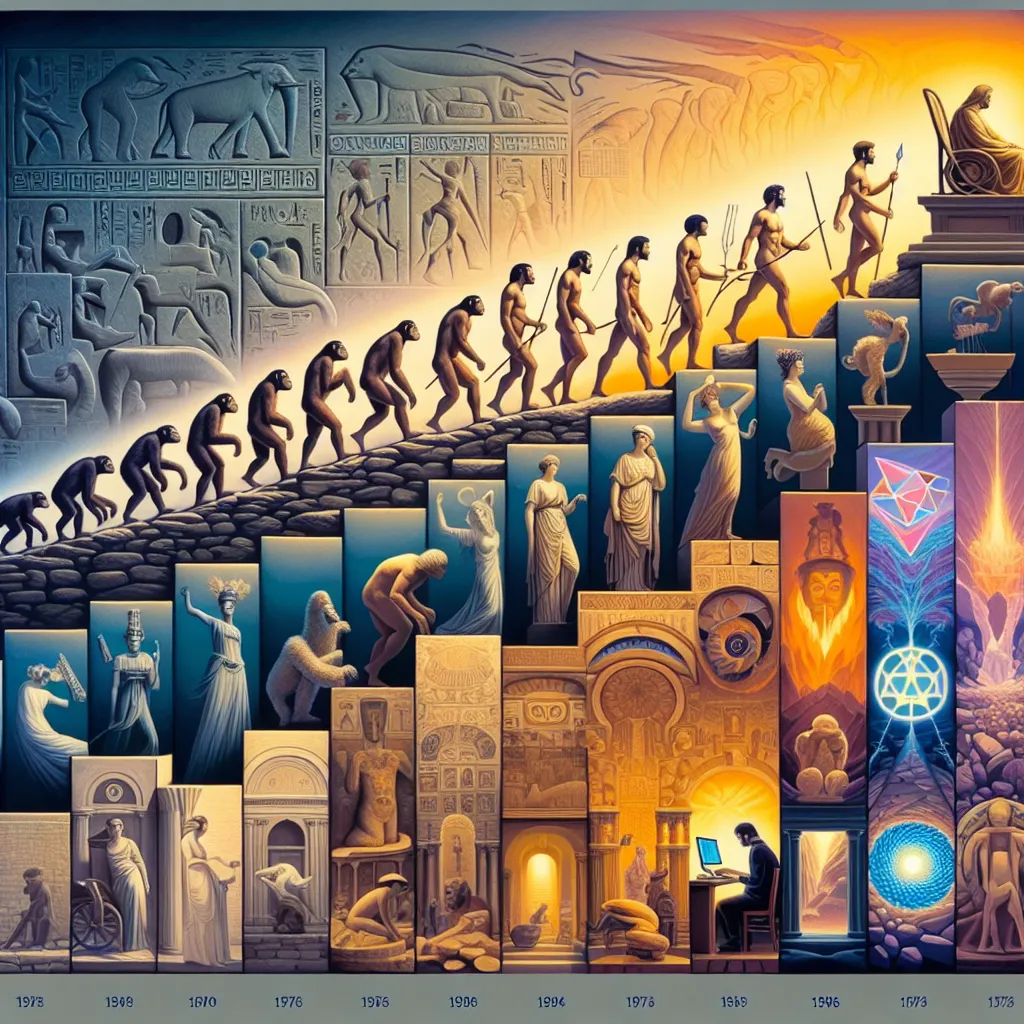
A evolução das técnicas artísticas nas Artes Visuais
The evolution of artistic techniques in Visual Arts
Visual arts have played a fundamental role in expressing human creativity throughout history. From cave paintings to contemporary installations, artistic techniques have continuously evolved to reflect the cultural and social changes of each era. In this article, we will explore the evolution of artistic techniques in visual arts, from their origins to the present day.
Origins of Visual Arts
Visual arts have their origins in the earliest artistic expressions of humanity, such as the cave paintings found in prehistoric caves. These paintings were made with simple materials like charcoal and clay, and reflected the everyday life and beliefs of the communities at that time.
Over the centuries, artistic techniques have developed and diversified, incorporating new materials and methods of expression. In the Middle Ages, for example, religious paintings were common in churches and cathedrals, reflecting the influence of religion on society at that time.
Renaissance and Artistic Revolution
The Renaissance was a period of great artistic effervescence in Europe, marked by a resurgence of interest in classical Greco-Roman arts. Artists such as Leonardo da Vinci, Michelangelo, and Raphael explored new painting, sculpture, and architecture techniques, contributing to an unprecedented artistic revolution.
During the Baroque and Rococo periods, artistic techniques became more elaborate and ornate, reflecting the luxury and opulence of European courts. Detailed paintings, realistic sculptures, and sumptuous decorations were characteristic of this period.
Modern and Contemporary Art
With the emergence of modern art in the 19th century, artistic techniques underwent a new transformation. Movements like Impressionism, Cubism, and Surrealism explored new forms of visual representation, breaking with traditional artistic conventions.
Today, in contemporary art, artistic techniques continue to evolve and reinvent themselves. Installations, performances, digital art, and other forms of visual expression challenge the boundaries of traditional art, incorporating new technologies and creative approaches.
Conclusion
The evolution of artistic techniques in visual arts is a reflection of human creativity and the ability to innovate and experiment. From the earliest cave paintings to contemporary installations, visual arts have played a crucial role in expressing the diversity and complexity of the human experience.
Artechriativity
Follow us on Twitter: https://twitter.com/arteecriactivity
Statement on content sources:
This article was written based on knowledge acquired through academic studies and research in reliable sources on art and art history.
Keywords: visual arts, evolution, artistic techniques, art history.


Publicar comentário